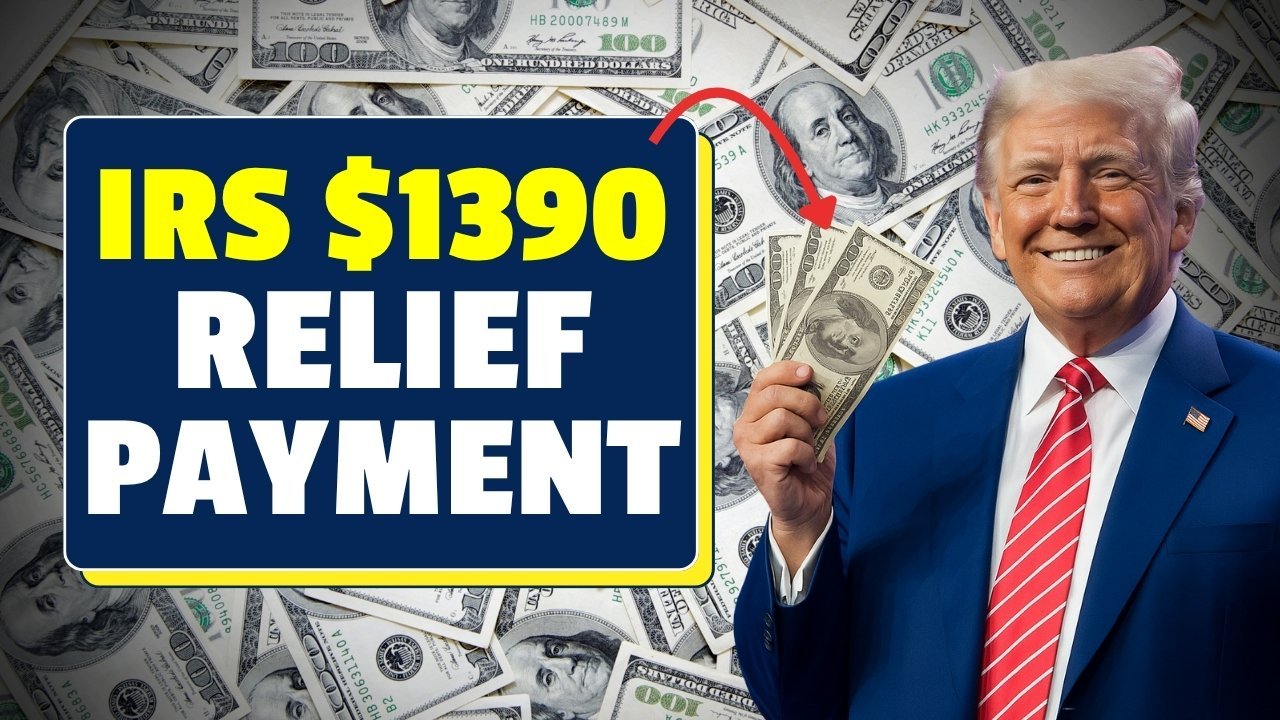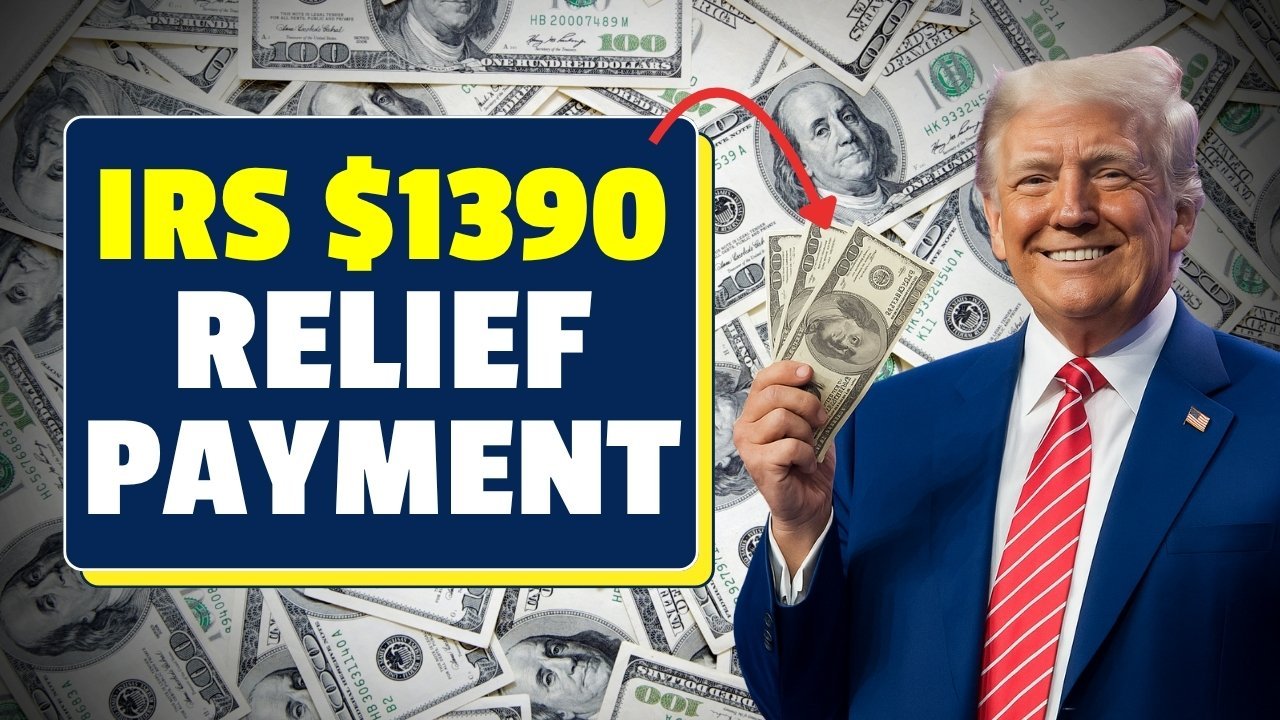
Recent weeks have witnessed a surge of news articles and social media content asserting that the Internal Revenue Service (IRS) plans to distribute a $1,390 relief payment through direct deposit during November 2025. This assertion has gained significant traction across various platforms, generating optimism for additional federal assistance as households grapple with elevated costs and economic pressures.
Nevertheless, prior to anticipating this distribution, examining the IRS’s official confirmations becomes crucial. Although the message appears credible, featuring specific amounts, dates, and direct deposit references, no current federal proclamation or legislation validates these assertions.
Understanding the Viral Claim
Based on widespread reports, the IRS allegedly plans to issue $1,390 to qualified taxpayers during November 2025. The assertion indicates that payments will be transmitted automatically via direct deposit for individuals with registered banking information, while paper checks will serve others. Certain iterations of this claim incorporate IRS-style terminology to enhance authenticity.
However, these publications fail to cite genuine government documentation or official press statements. This absence alone warrants skepticism. Each authentic federal distribution, whether representing tax credits, stimulus funds, or rebates, originates from Congressional authorization and official IRS documentation. Without these elements, such claims remain unsubstantiated.
What the IRS Actually Says
Examination of the IRS Newsroom reveals no confirmation of a $1,390 distribution planned for November 2025. Current agency press releases exclusively address tax filing modifications, refund details, and administrative instructions. No reference exists regarding new direct relief initiatives or stimulus distributions.
Independent verification organizations, including the Associated Press (AP) and Yahoo Finance, have validated that no additional federal stimulus or IRS relief distribution is scheduled for 2025. The IRS Economic Impact Payment (EIP) system, utilized during the pandemic period, has been deactivated and archived.
This indicates that any communication advertising new “IRS relief deposits” represents either misinformation or misunderstanding of alternative government initiatives, such as state-administered rebates or current benefit programs.
Why the Rumor Sounds Convincing
The assertion appears credible because it incorporates elements from earlier IRS distributions, including the stimulus payments from 2020 and 2021. These previous initiatives also utilized automatic direct deposits and comparable income qualifications. Fraudulent actors frequently repurpose this information to make fabricated claims appear legitimate.
Additionally, numerous misleading publications employ terminology such as “IRS confirms” or “payments commence next week” without supplying official documentation. Some combine authentic IRS language with manufactured information. These methods complicate the ability of individuals to differentiate between accurate and false information.
How to Verify Real IRS Announcements
To maintain security, taxpayers should consistently depend on official IRS communications and established news organizations.
Step 1: Access the IRS Newsroom at irs.gov/newsroom. All authorized updates receive publication there with identification numbers such as IR-2025-xxx.
Step 2: Verify that federal payments connect to enacted legislation. Legitimate relief initiatives receive Congressional backing and appear on government websites.
Step 3: Utilize exclusively official IRS resources including “Where’s My Refund” or “Your Online Account” for status verification. Avoid clicking unverified links from social platforms or emails claiming payment verification.
When posts or messages guarantee immediate funds without verification or request Social Security or banking details, consider them phishing attempts.
What You Could Actually Receive in November
While no $1,390 IRS payment exists, some Americans may receive legitimate deposits this month. The IRS continues processing tax refunds and modifications for individuals who submitted 2024 returns or amended previous filings. These represent standard refunds, not additional relief payments.
Furthermore, specific state governments operate rebate or relief initiatives separate from the IRS. For instance, energy rebates, property tax credits, or cost-of-living distributions may reach residents during late 2025. Individuals should examine their state revenue department websites for precise information.
Additionally, Social Security, SSI, and SSDI recipients will continue receiving scheduled payments, though these are not new IRS initiatives. They adhere to the Social Security Administration’s established schedule.
Why You Should Be Cautious
Fraudulent payment assertions can result in identity theft exposure. Criminals frequently establish counterfeit IRS websites requesting banking or Social Security information. The IRS never initiates taxpayer contact through text, email, or social media for verification purposes. Anyone who disclosed sensitive information due to this rumor should immediately contact their financial institution, modify IRS account credentials, and report phishing communications to [email protected].
The IRS has consistently cautioned that new fraud schemes emerge during periods of widespread financial difficulty. Criminals exploit public expectations for financial assistance, particularly during holiday periods. Always verify information directly through irs.gov before accepting any payment-related posts.
Frequently Asked Questions
Is the IRS really sending $1,390 relief payments in November 2025?
No, the IRS has made no official announcement regarding a $1,390 relief payment for November 2025. Independent fact-checkers and the IRS Newsroom confirm that no such federal stimulus or relief payment is planned for 2025.
How can I verify if an IRS payment announcement is real?
Always check the official IRS Newsroom at irs.gov/newsroom for legitimate announcements. Real IRS updates include official release numbers like IR-2025-xxx and are backed by Congressional legislation. Use only official IRS tools for payment verification.
What legitimate payments might I receive in November 2025?
You may receive standard tax refunds from 2024 returns or amended filings, state-level rebates or relief programs, or regular Social Security, SSI, and SSDI payments. These are not new IRS relief programs but existing scheduled payments.
What should I do if I shared personal information believing this claim?
Immediately contact your bank, change your IRS account passwords, and report any phishing emails to [email protected]. The IRS never contacts taxpayers through text, email, or social media requesting personal information for verification.